

The 2026 INAIL technical guide on hazardous dust : dust Extraction and air filtration at the heart of industrial safety
The new INAIL Technical Guide on hazardous dust draws attention to an issue that today directly affects safety, production continuity and regulatory compliance.
The presence of dust, fumes and airborne particles in the workplace does not only impact air quality: it can also increase operator exposure, compromise processes, encourage contamination and create risk conditions linked to fires or explosions.
For this reason, dust management can no longer be considered a secondary activity, but an integral part of industrial design and organization.
The new INAIL Technical Guide on hazardous dust: why it matters for your plant
If your plant generates dust, fumes or airborne particles, this topic directly concerns you. The new INAIL Technical Guide places dust management at the center of prevention: not only for operator health, but also for production environment safety, line continuity and compliance with the required standards.
The point is simple: even dust that appears “ordinary” can become a problem if it disperses, accumulates or comes into contact with sensitive processes.
That is why every plant should ask whether the solutions currently in place are truly adequate for the level of risk present, before dust turns into exposure, contamination, machine downtime or ATEX risk.
Hazardous dust: what risks can it create in the workplace?
Airborne dust can have a direct impact on both operators and plant performance. When it is not managed correctly, it can spread through departments, settle on surfaces, build up in critical points of the line and alter operating conditions.
The main risks of hazardous dust
- Greater exposure for operators: fumes, fine dust and airborne particles can worsen air quality and increase workers’ contact with potentially critical substances.
- Build-up on machines and lines: dust can settle on components, hoppers, pits, packaging machines and transit areas, making cleaning and manual intervention more frequent.
- Less stable processes: residues and dispersed particles can slow down production, create inefficiencies and compromise process repeatability.
- Higher contamination risk: in more sensitive industries, uncontrolled dust can affect product quality and process hygiene.
- Fire or explosion risk: combustible dust such as flour, sugar, biomass, carbonized rubber or metal dust can create critical conditions, especially in ATEX environments.
- Unplanned production stops: build-up, contamination and risk conditions can lead to line shutdowns, extraordinary maintenance and loss of operational continuity.
Which plants, machines and production processes require the most attention?
The need to implement suitable systems applies to many production environments. The risk does not depend only on the industry, but also on the type of dust generated, the volume produced, the continuity of the process and the point where the contaminant is released.
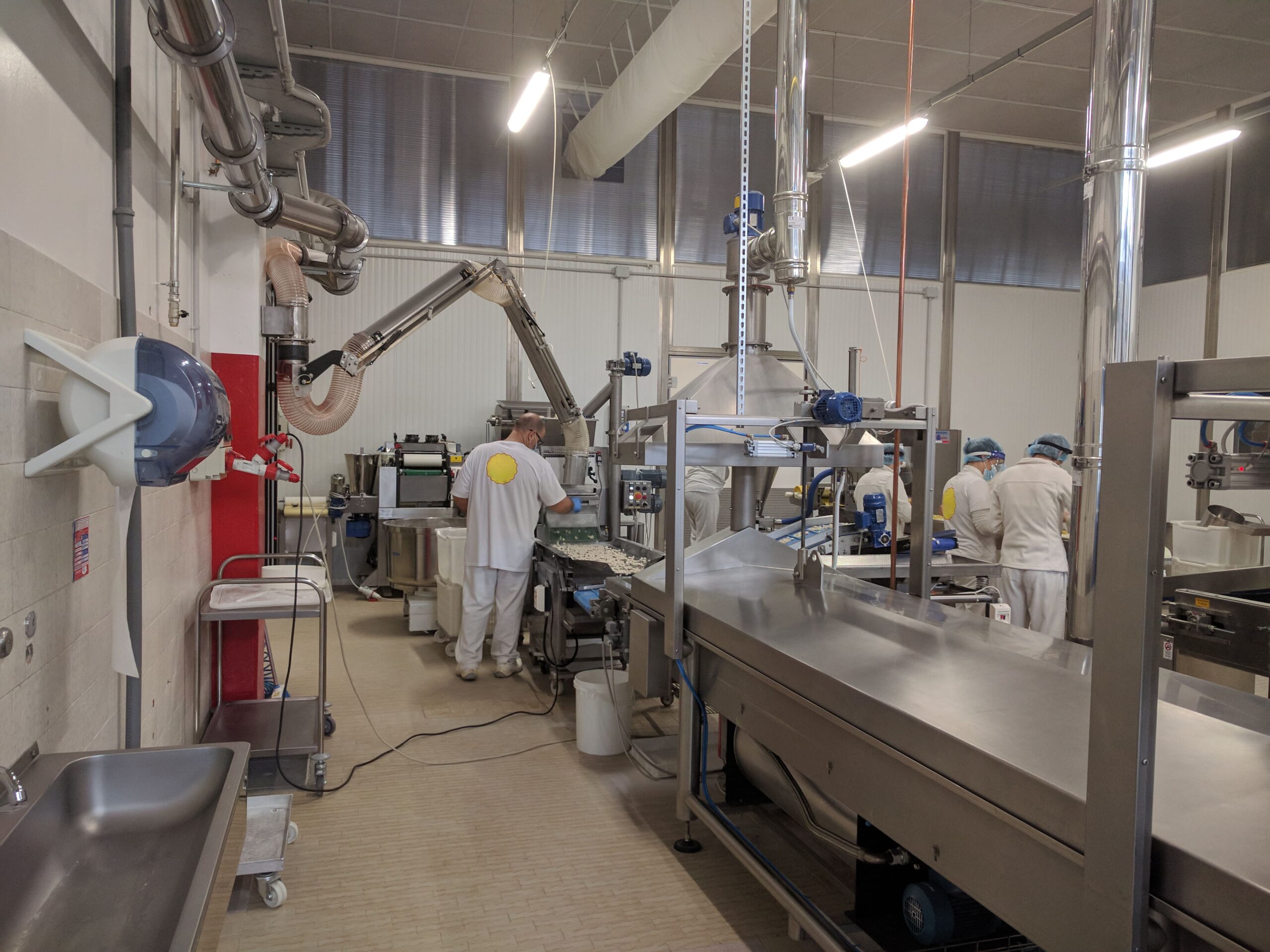
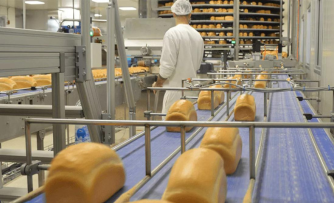
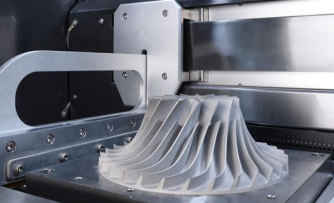
Critical issues can arise, for example, in cement production departments, foundries, food plants, pharmaceutical processing, finishing lines, 3D printing applications, biomass plants and processes that generate abrasive, combustible or micronized dust.
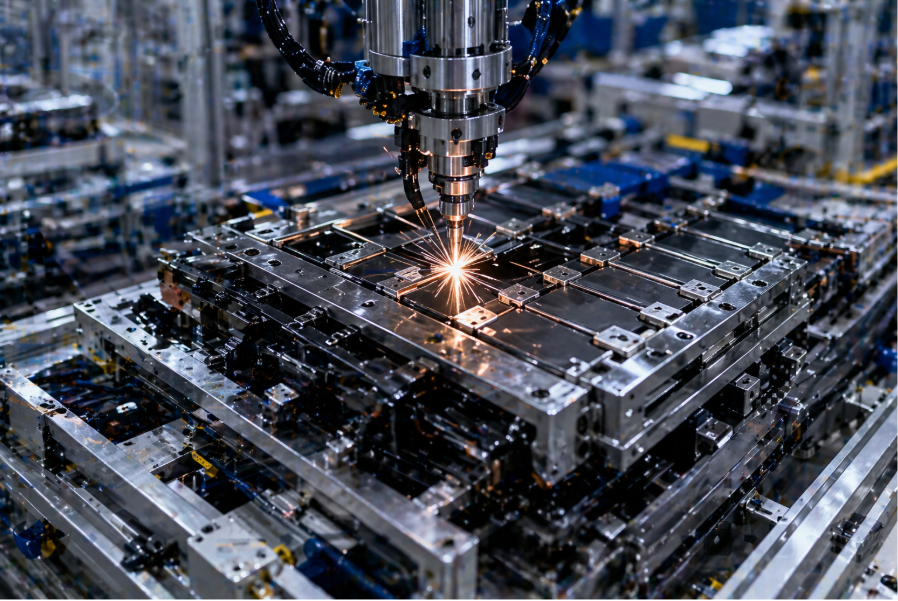
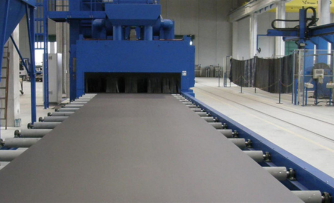
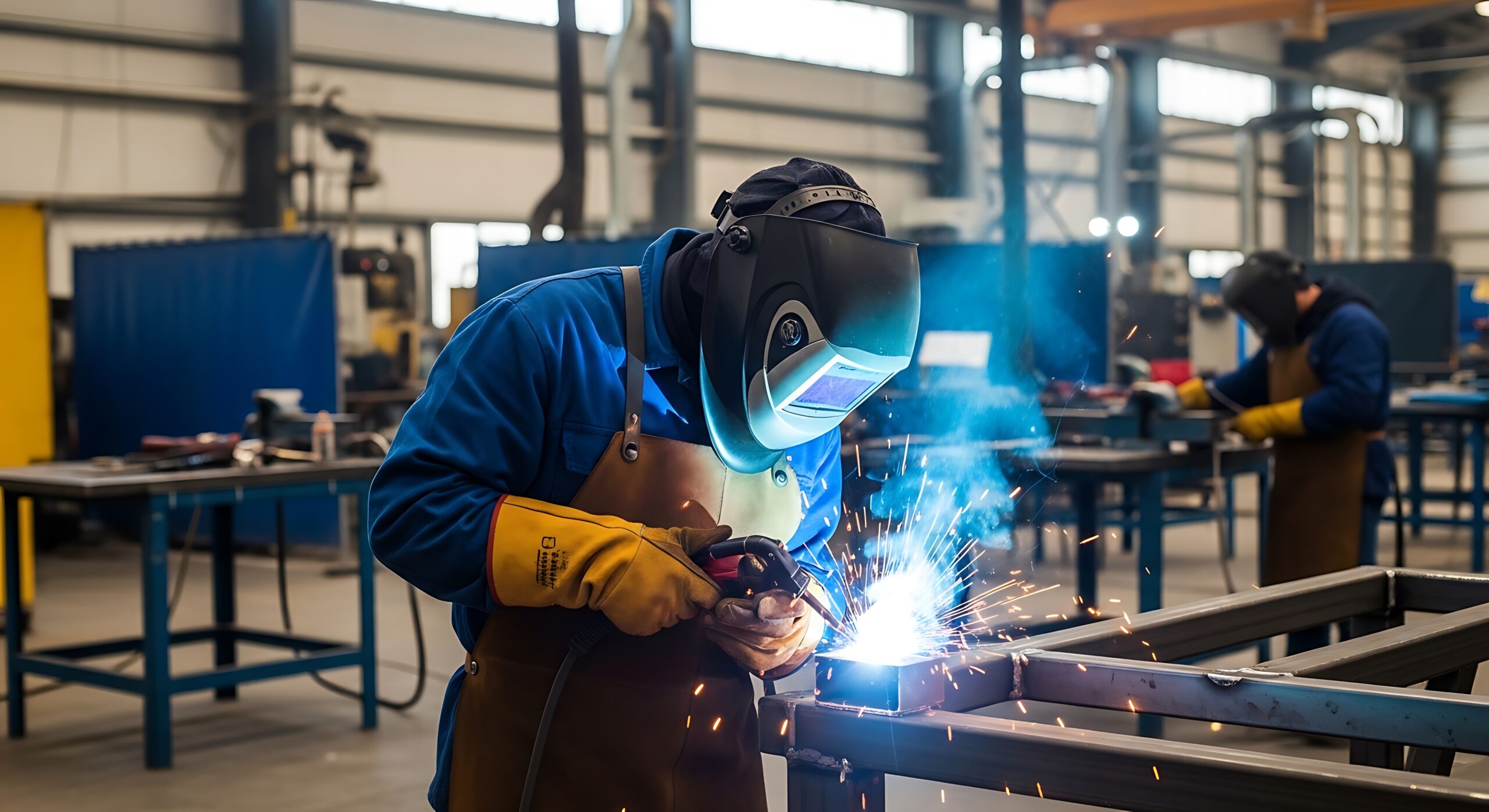
Metalworking processes also require attention, particularly when the generation of dust and fumes can affect both safety and line efficiency.
How to manage dust correctly: dust extraction, air filtration and localized suction
To truly reduce risk, it is not enough to act only once dust has already dispersed into the environment. The most effective solution is to act at the point where the contaminant is generated, preventing its spread and limiting accumulation in the workplace.
Why capturing dust at the source is the most effective solution
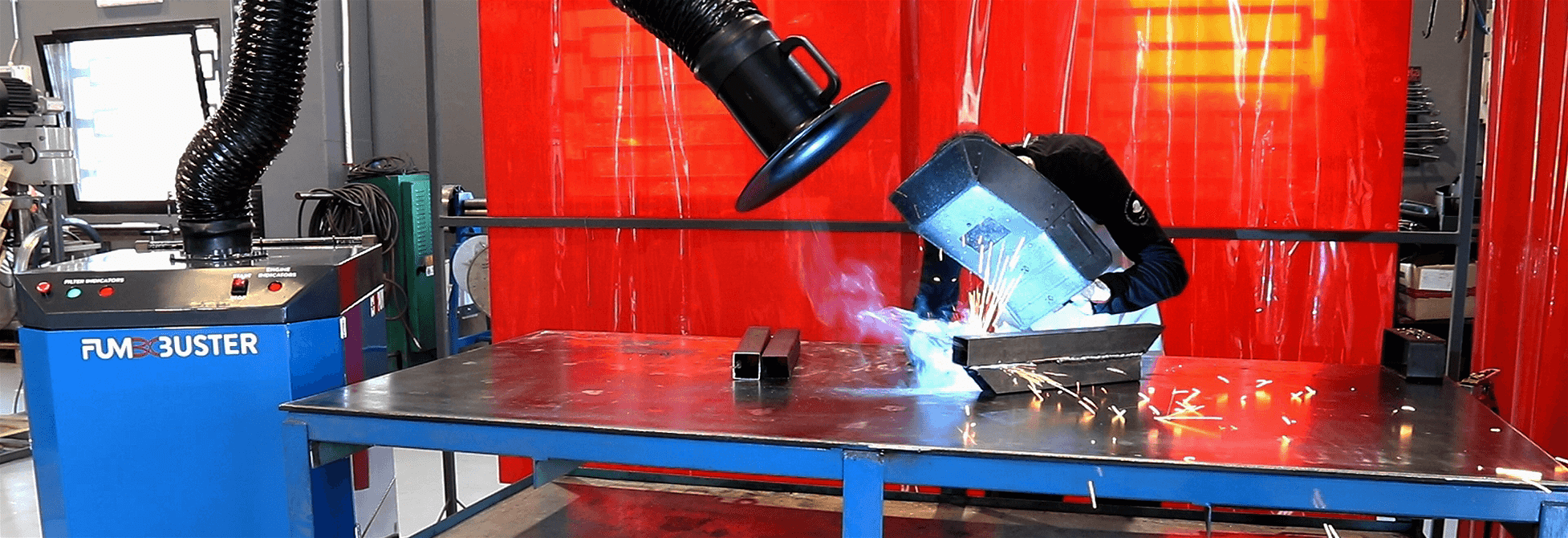
Source capture makes it possible to intercept dust and contaminants before they spread into the workspace. This approach helps contain the problem at its origin, reducing operator exposure and improving control over the entire production process.
When the system is correctly integrated into the machine, the line or the emission points, dust management becomes more continuous, more effective and less dependent on subsequent cleaning operations.
How to reduce dispersion in the workplace
An effective dust extraction strategy helps to:
- capture dust at the source
- reduce dispersion in the workplace
- improve air quality
- protect operators
- support cleaner, safer and more efficient production environments
- support compliance with the required standards
Why air filtration helps protect operators and plants
Filtration plays a decisive role, especially when dealing with fine or ultrafine particles.
Depending on the risk and the nature of the material, it is possible to adopt systems with pre-separation of coarser particulate, cyclones, high-efficiency separators and filters suitable for the criticality level of the application.
In the most sensitive situations, the choice of filtration must take into account concentration, particle size, dust abrasiveness and the need to safely dispose of the collected material.
The benefits of an effective industrial dust extraction system
A properly designed system does more than simply remove dust. It has a tangible impact on how the plant operates.
It improves air quality in production departments and helps create more controlled working conditions.
It reduces material build-up on lines, machines and surfaces, limiting manual interventions and unplanned downtime. It also helps keep the process more stable and contain component wear, especially in heavy-duty or highly abrasive applications.
In contexts where safety is closely linked to particulate management, an effective solution also makes it possible to address the risks associated with combustible, explosive or health-critical dust with greater control.
Key features to consider when choosing a solution
Every application requires a specific assessment. The choice of the most suitable system depends on several factors:
Nature of the dust, volume and generation point
It is important to consider whether the dust is fine, abrasive, combustible, micronized or potentially explosive, as well as the volumes to be treated and the points where it is produced.
Need for integration on machines or plants
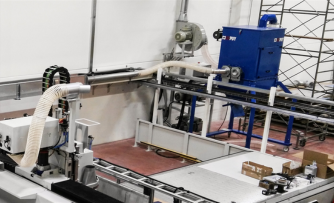
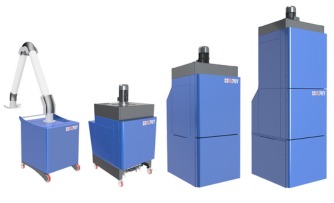
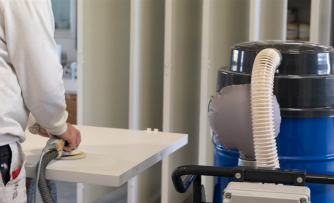
In some cases, it is preferable to install localized systems directly connected to the work equipment.
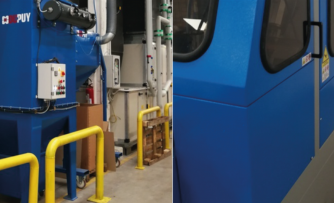
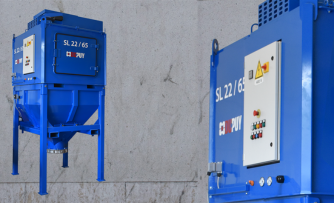
In others, especially when multiple lines or large surfaces are involved, centralized systems with fixed piping networks may be more effective.
Specific requirements in ATEX environments or with critical dust
When the material being processed has combustible characteristics or requires advanced containment, it is essential to choose solutions designed to operate under specific conditions, with technologies and configurations consistent with the level of risk.
Rely on DUPUY for hazardous dust management
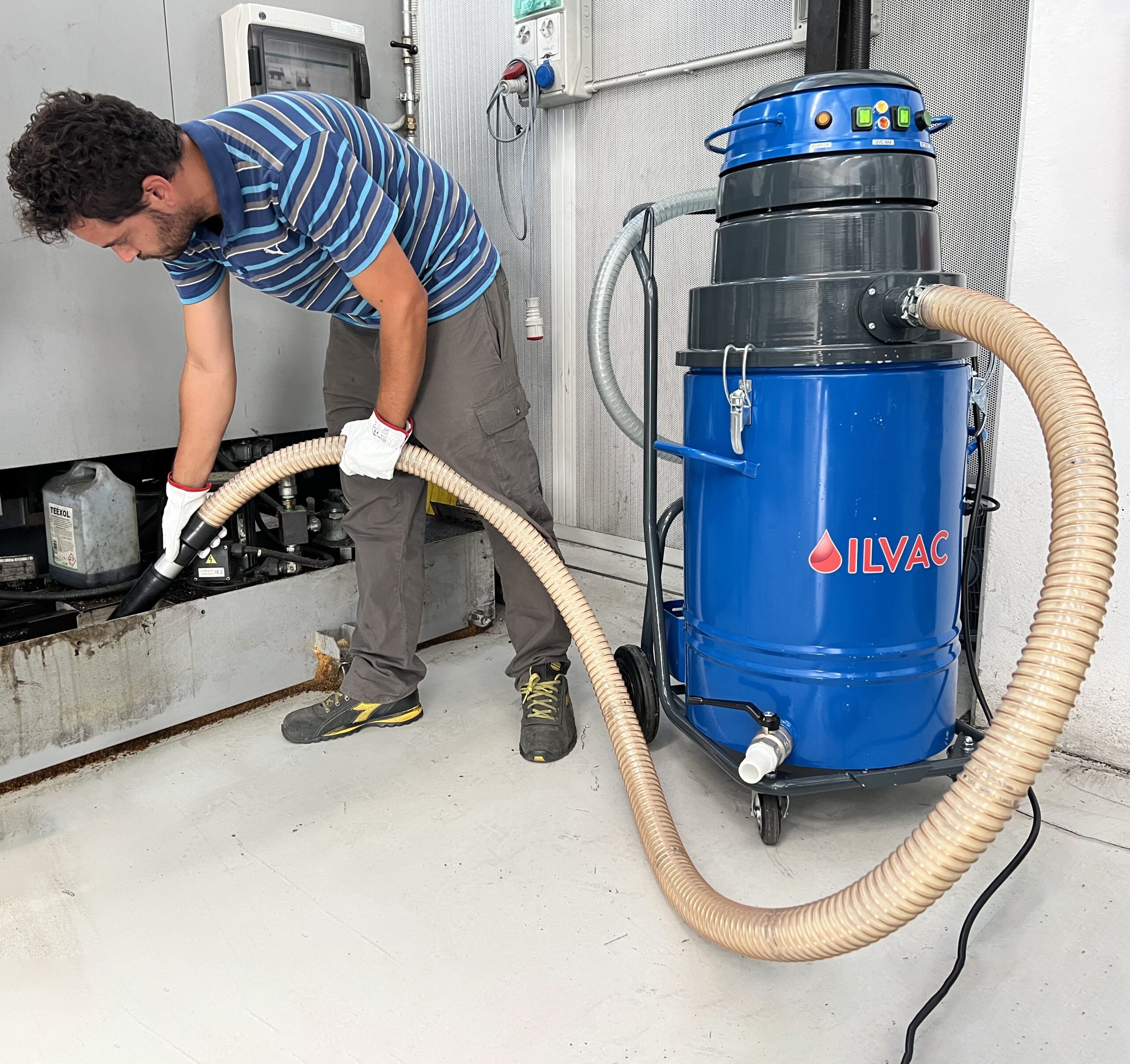
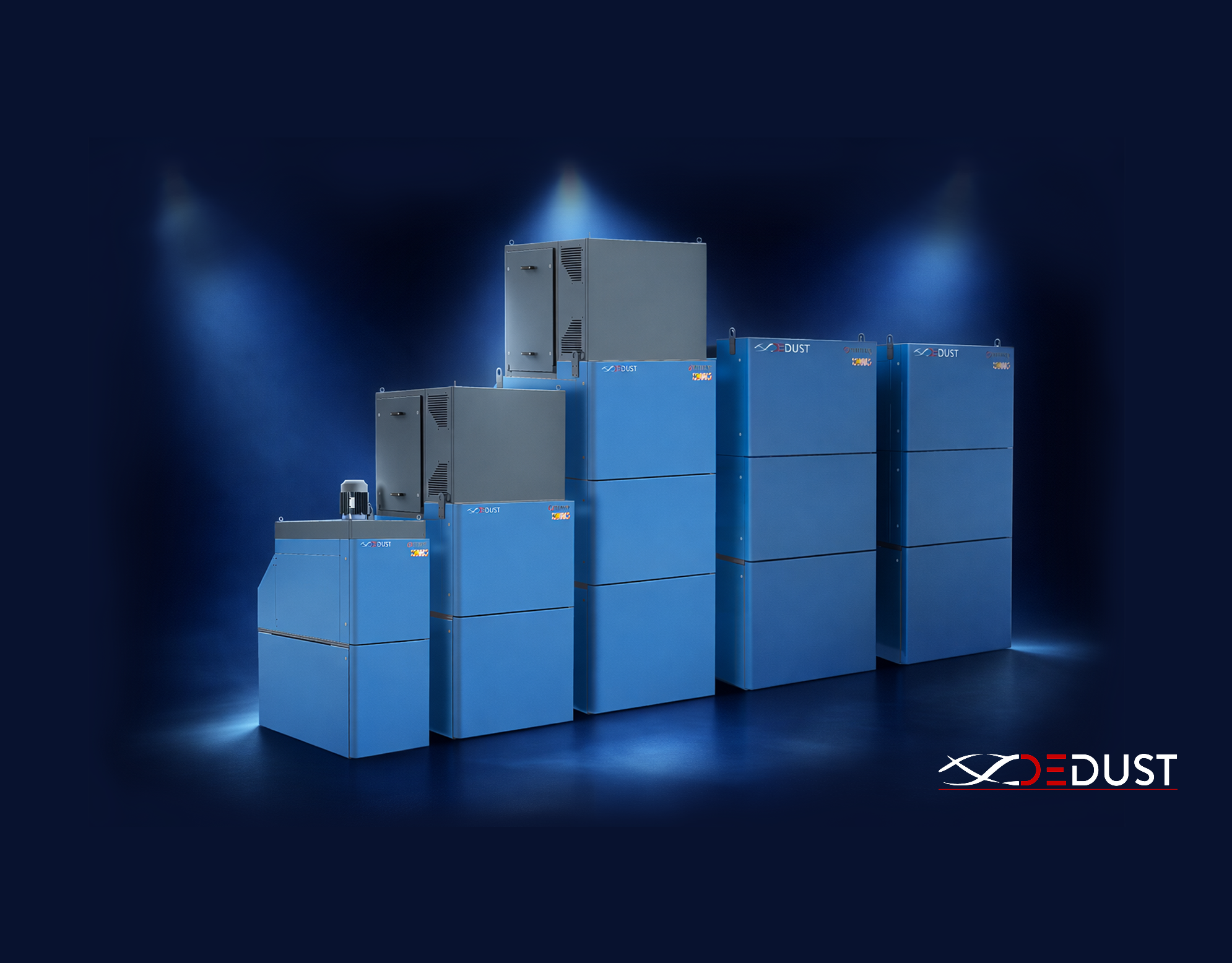
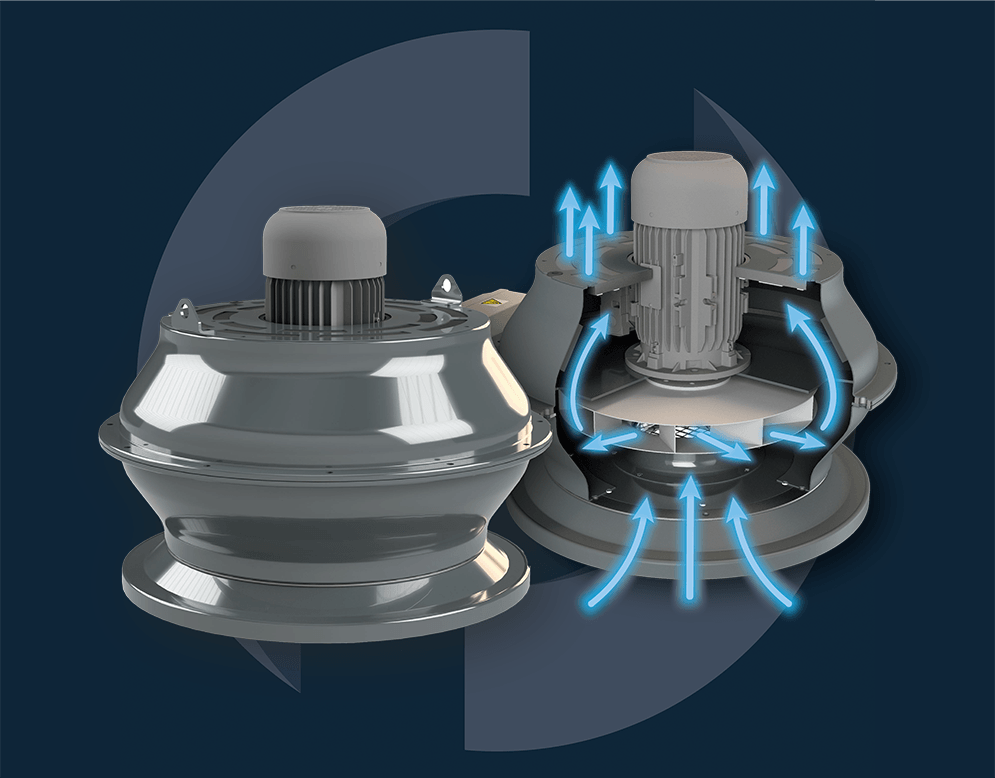
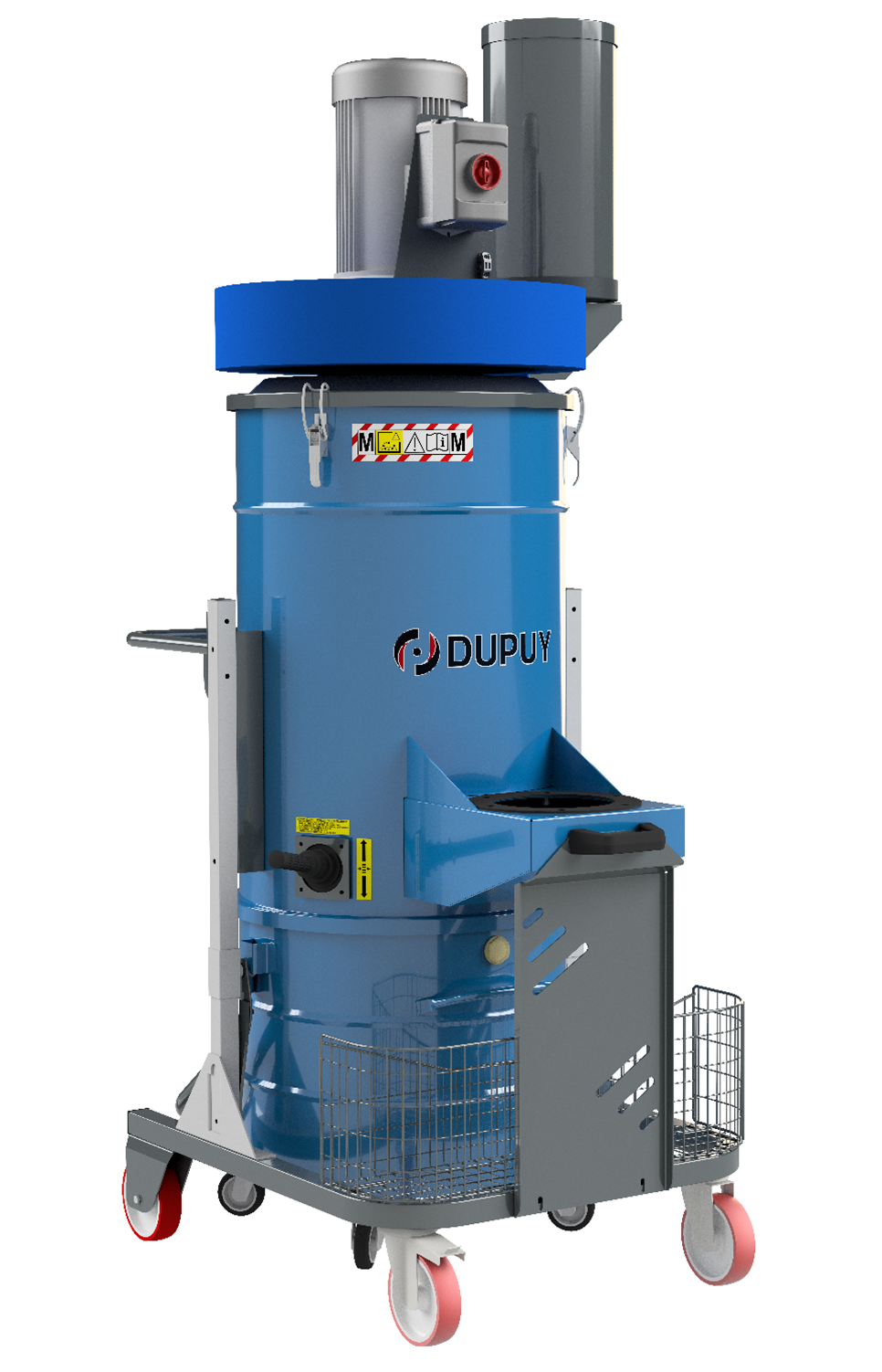
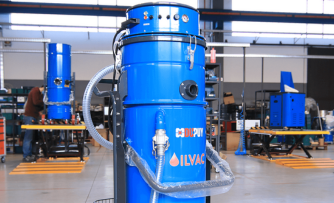
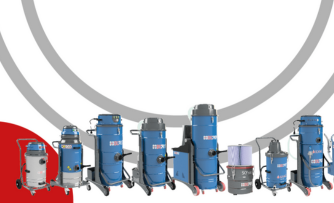
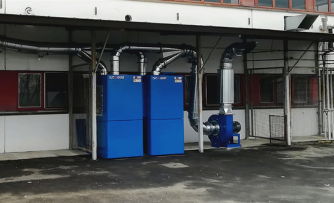
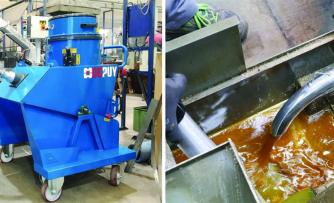
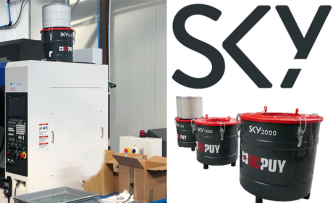
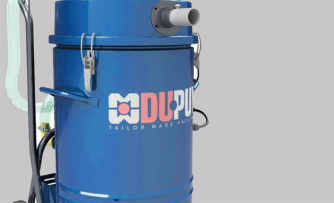
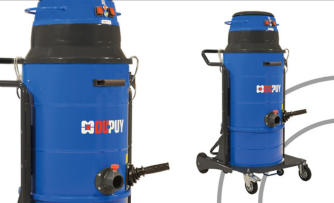
DUPUY designs dust extraction, air filtration and industrial suction solutions engineered to integrate into production processes and meet the real needs of each plant.
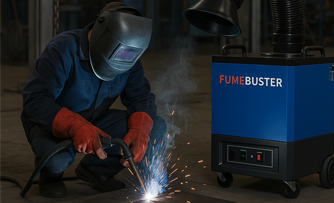
From welding fume capture to laser cutting dust management, through applications in metalworking, food, pharmaceutical or combustible dust environments, the goal is to provide systems capable of improving safety, efficiency and operational continuity.
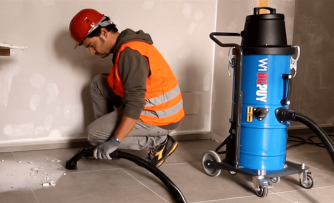
Whether the requirement is localized suction, centralized systems, high-efficiency filtration or safe collection systems for extracted material, a properly sized solution allows dust management to be handled in a more structured and reliable way.
FAQ
What does the new INAIL Technical Guide on hazardous dust cover?
The guide highlights the need to assess plants, machinery and production processes in relation to the presence of hazardous dust, linking the topic to prevention, compliance and workplace responsibility.
When is an industrial dust extraction system needed?
It is needed whenever a production process generates dust, fumes or airborne particles that may compromise air quality, increase operator exposure, create build-up or lead to operational and safety-critical issues.
Why is source capture more effective than cleaning alone?
Because it intercepts the contaminant at the point where it is produced, immediately reducing dispersion into the environment and limiting build-up, exposure and subsequent manual interventions.
Dust management is a strategic choice for safety and efficiency
Today, correctly addressing the issue of hazardous dust means protecting people, improving working conditions and making production processes more reliable. The renewed technical and regulatory focus confirms that dust extraction, air filtration and industrial suction are not accessory elements, but central tools for building safer and higher-performing environments.