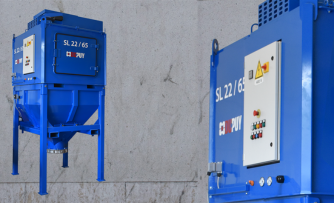


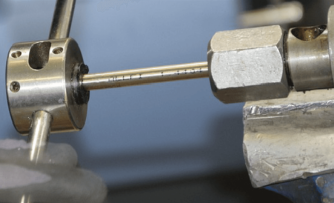
Industrial machinery maintenance is an essential activity for maintaining high productivity and safety. If it is carried out regularly and with the right tools, it reduces unscheduled shutdowns and limits the costs associated with breakdowns and extraordinary cleaning. In many cases, good maintenance starts with a simple point: keep machines and workplaces clean, every day.
In this guide we look at how to choose a useful vacuum solution for maintenance, based on materials, processes and regulations.
Choosing the right power for industrial machinery maintenance
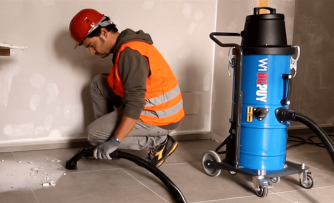
Oil, chips, swarf, dust and liquids-each department produces different residues and requires a specific approach. In some companies, continuous cleaning is needed during production. In others, maintenance occurs at the end of shifts or in scheduled windows. In both cases, industrial vacuuming is a practical tool for keeping plants running efficiently and reducing downtime.
Choose the solution according to the materials to be vacuumed
- Powders (suspended fines; toxic; explosive)
- Solids (metal debris, grains, stones, broken glass, ceramics, etc.).
- Liquids (water, oils, emulsions, lubricants)
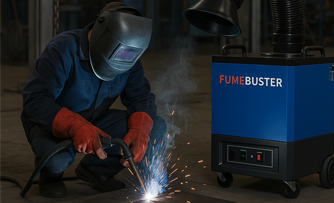
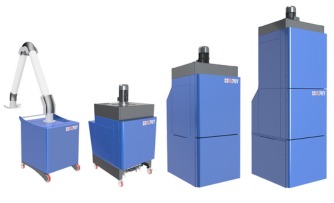
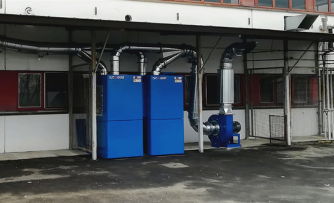
- Fumes (welding fumes, atomized particles)
This analysis is decisive because it influences filtration, accessories, container, separation systems, and discharge modes. Correct choice makes industrial machinery maintenance easier and reduces repeated interventions.
Optimizing the production process with industrial suction
An often underestimated benefit is that, in many cases, vacuuming is not just for cleaning. It can also help recover reusable materials. In mechanical engineering, for example, the ability to collect and filter cutting oil reduces waste and replenishment costs. In practice, faster and tidier maintenance results in time saved and a more stable plant.
Applications can be very diverse: preventing contamination in agribusiness, cleaning electrical panels in foundries, managing routine and extraordinary interventions in production areas. In all these scenarios, a robust solution that is appropriate for the material being vacuumed makes industrial machinery maintenance easier and more predictable.
Safety and regulations: when ATEX is needed
Maintenance is not only about efficiency, but also about safety. In some environments, especially where potentially explosive atmospheres can form, the choice of vacuum cleaner must comply with current regulations. This is where ATEX-certified vacuum cleaners, designed to work in specific hazard areas and contribute to a safer working environment, come into play.
The evaluation depends on the material being vacuumed, the process, and the classification of the area. If you operate in areas with stringent requirements, it is important to check the most suitable solution in a timely manner.
Why choose an industrial vacuum cleaner for maintenance?
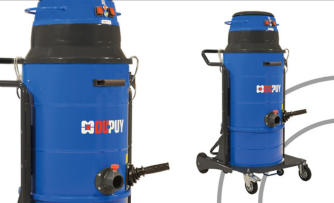
An industrial vacuum cleaner is not just a simple cleaning tool. If selected correctly, it becomes a part of the industrial machinery maintenance method: it helps contain residue, maintain consistent quality of work and reduce the risk of downtime. Sturdiness, filtration, ergonomics and accessories make the difference, along with the ability to configure the solution according to the department and type of residue.
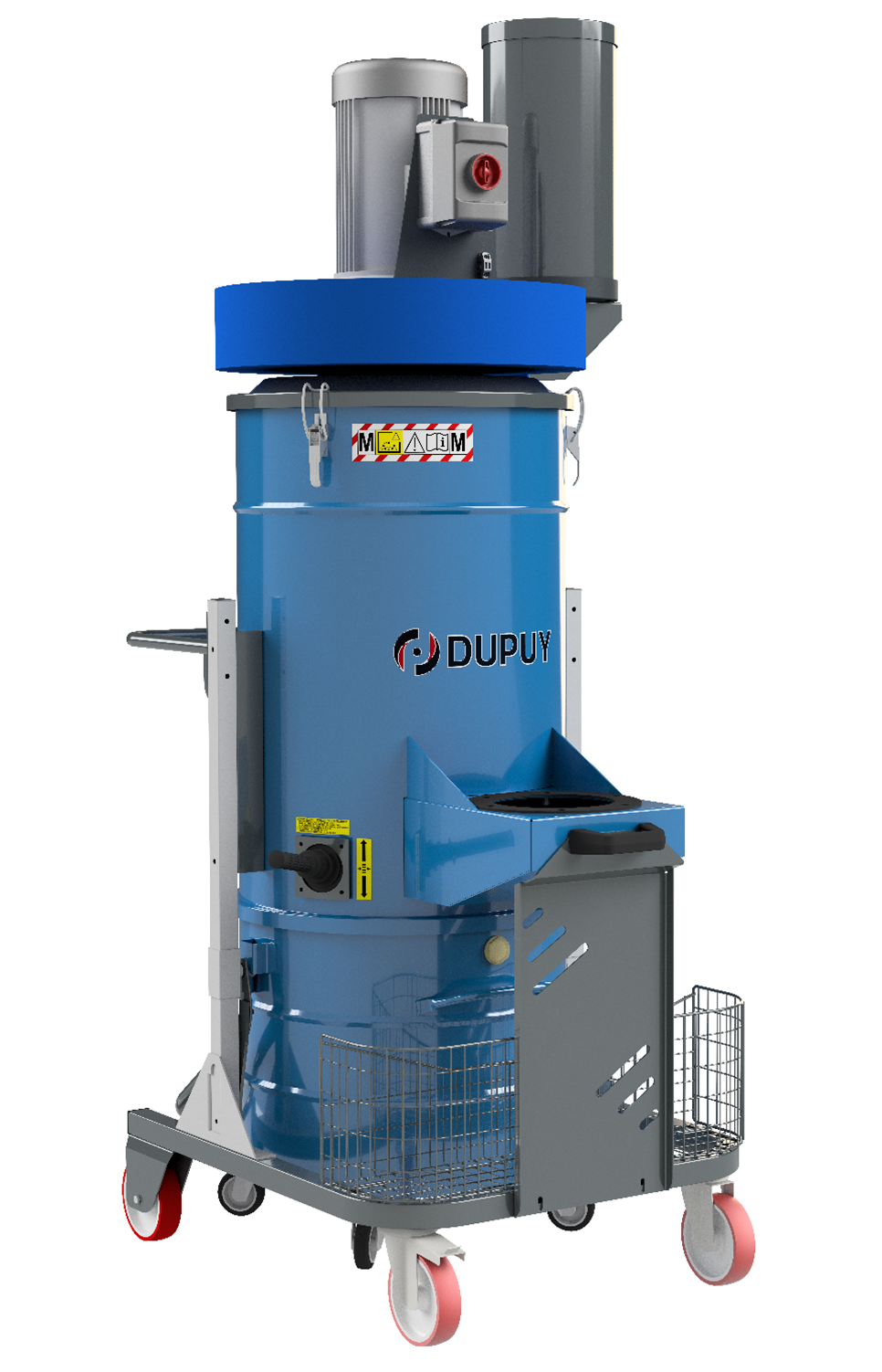
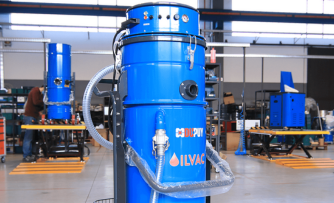
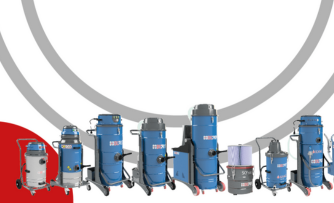
If you want to start with an overview of available solutions, you can browse our range of industrial vacuum cleaners and identify the type best suited to your operating environment.