

Are Oil, Coolant and Metal Chips Building Up in Your CNC Machine Tank?
An oil and chip vacuum cleaner collects liquids and solids together. But choosing the right solution also means considering separation, filtration and discharge.
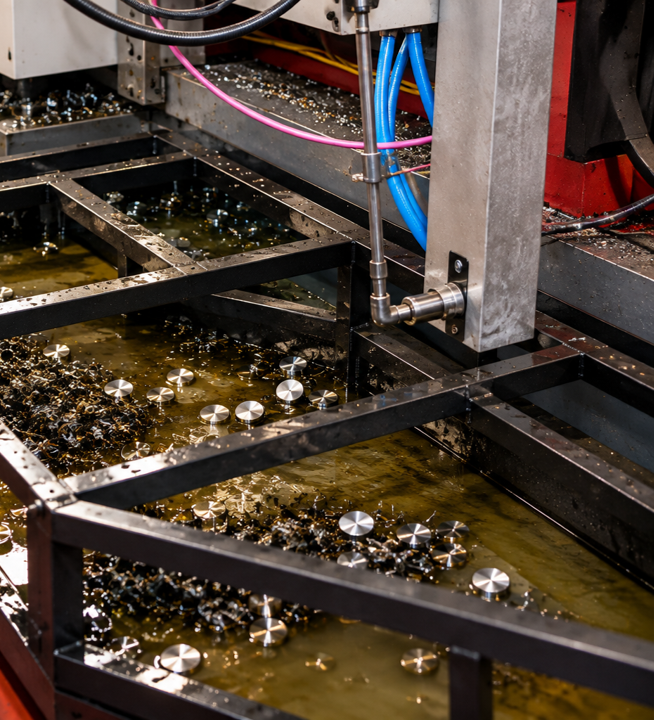
During turning, milling and drilling, metal chips often mix with cutting oils, coolants and fine particles. This mixture must be removed when cleaning and maintaining CNC machine tanks.
Choosing the right solution involves more than looking at tank capacity. You also need to consider what will be collected, how often, and how the collected material will be handled.
Why Vacuuming Oil and Chips Is Only the First Step
A single tank can contain both liquids and solid residues. Chips may be long, short or fine. The fluid may be a viscous oil or a water-based emulsion, and machining sludge may also be present.
An oil and chip vacuum cleaner should therefore support the complete cycle: collection, separation, filtration, discharge and management of the collected materials. The effectiveness of the operation depends on how well these stages work together.
How an Oil and Chip Vacuum Cleaner Works
The unit draws the mixture from the tank into a collection container. A basket or dedicated system retains the coarser residues. The liquid collects below and, depending on the configuration, may pass through an additional filtration stage.
A single solution can therefore help operators:
- Empty the machine tool tank.
- Collect oil, coolant emulsion and chips.
- Separate coarser solid residues.
- Filter and discharge the liquid.
- Assess whether the fluid can be recovered when the process allows.
The benefit is not just about how quickly material is collected. It is about organising the entire cleaning operation.
Separating Chips From Liquid Simplifies Handling
Collecting everything in the same container does not necessarily make the material easy to manage. Separation allows chips to be removed without handling large quantities of liquid at the same time.
It also makes it easier to transfer the fluid to a tank or dedicated container, simplifying the process for the operator.
This step is particularly useful when tanks are cleaned frequently or large volumes are handled. The configuration should always be selected according to the actual mixture generated by the machining process.
When Can Coolant Be Recovered?
The presence of chips does not automatically make a fluid unusable. When its quality, level of contamination and production requirements allow, the liquid can be separated, filtered and transferred back to the machine or to another container.
Reuse should not be taken for granted, however. It must be assessed according to the actual condition of the fluid and the procedures that apply.
For an overview of waste prevention, recovery and recycling, consult the European Commission’s Waste Framework Directive page.
Discharge Matters as Much as Suction
Emptying a tank quickly offers limited benefit if discharging the liquid takes much longer. That is why the discharge system is an important selection criterion.
In some configurations, an independent pump transfers the fluid to a machine, tank or collection container. Some solutions can also vacuum and discharge at the same time, which can reduce interruptions in high-volume applications.
When to Consider a Dedicated Vacuum Cleaner
An oil and chip vacuum cleaner may be worth considering when:
- Emptying CNC tanks takes too long.
- Oil or coolant emulsions contain large quantities of chips.
- Liquids and solid residues need to be handled separately.
- Machine tools require frequent cleaning.
- Manual discharge slows down maintenance.
- Several machining centres or large volumes need to be managed.
- You want to assess whether the fluid can be recovered.
These signs do not identify the right model on their own. They do indicate that the entire process needs to be assessed, not just suction.
Eight Factors to Consider When Choosing an Oil and Chip Vacuum Cleaner
Before sizing the solution, gather information about the application. These details help determine the capacity, separation, filtration and discharge requirements.
1. Type of Liquid
Identify whether the material is oil, emulsion or another fluid, and specify its viscosity.
2. Type of Chips
Describe the material, shape, size and quantity of the residues.
3. Fine Particles
Identify any sludge or metal filings that may require additional filtration.
4. Tank Volume
Determine how much liquid must be removed during a typical maintenance operation.
5. Cleaning Frequency
Indicate how many machines need to be cleaned and how often.
6. Operating Time
Specify whether use will be occasional, regular or prolonged.
7. Suction Distance
Consider the length and diameter of the hose and the position of the machine.
8. Discharge Method
Define where the liquid will be transferred and whether recovery is being considered.
Why Tank Capacity Alone Is Not Enough
Two machines with similar capacities can perform differently. Choosing between them requires a combined assessment of vacuum pressure, airflow, liquid and solid collection capacity, separation, filtration, discharge and operating cycle.
Manoeuvrability matters too. In one workshop, a compact machine that is easy to move between machining centres may be essential. In another, capacity and suitability for prolonged use may take priority. No single configuration is right for every process.
Dupuy Oil and Chip Vacuum Cleaners
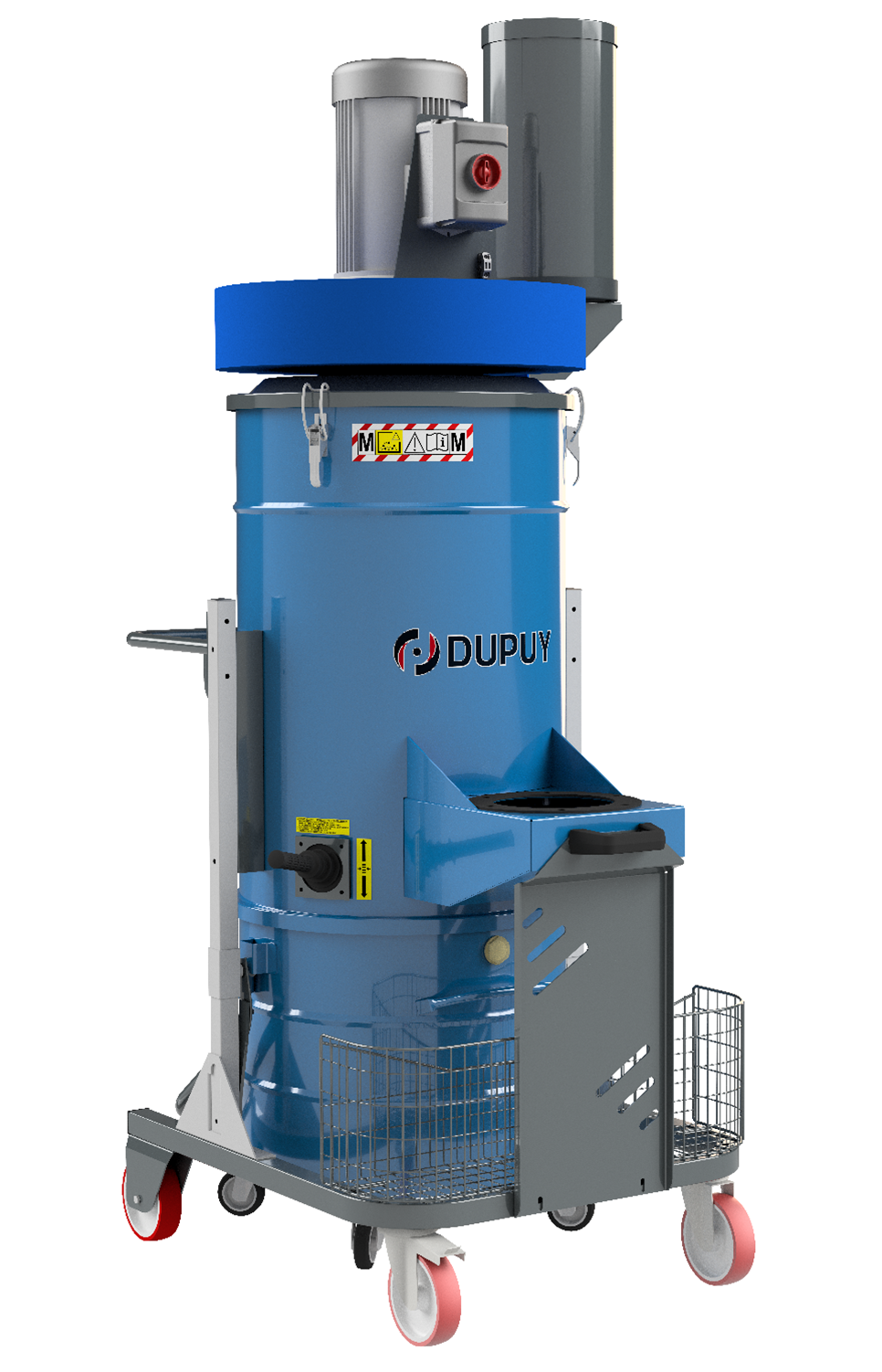
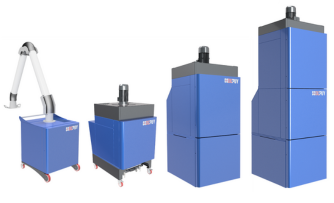
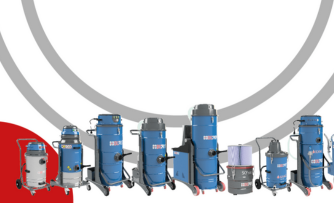
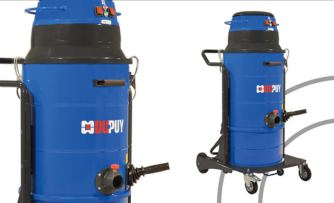
The Dupuy range of oil and chip vacuum cleaners includes solutions with different capacities and discharge systems. The range covers needs from maintaining a single machine to handling larger quantities of liquids and residues.
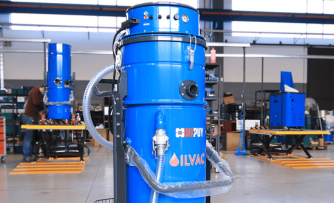
Among these solutions, the Oilvac 130 collects the mixture and separates coarser chips. In the Pump version, an independent discharge pump allows simultaneous vacuuming and liquid discharge.
For applications involving larger volumes, the Oilvac 500 combines collection, separation, tank cleaning and fluid discharge in one solution.
The right model depends on the fluid, chips, volumes, frequency of use and destination of the collected material.
Manage Oil and Chips as One Complete Process
Cleaning a CNC tank does not end with vacuuming. Solid residues must be separated, the liquid transferred and the required level of filtration defined. Only then can the potential for fluid recovery be assessed.
An oil and chip vacuum cleaner configured for the application helps make these stages more organised and consistent. The starting point is a clear description of the process.
Discover how DUPUY helped a metalworking company improve its machine tool cleaning operations with a solution designed to collect and separate oils, coolants and metal chips.
Tested at the customer’s site, the solution helped simplify maintenance, support the recovery of machining fluids and reduce the time spent cleaning tanks.
Read the case study and discover the benefits of the solution
How Much Time Does CNC Tank Cleaning Take Today?
Tell Dupuy about your fluid, chips, tank volume and discharge requirements. Request a configuration suited to your application.